
You work hard to make your yard an inviting outdoor retreat. You fertilize and mow the lawn, you pull those pesky weeds, you plant beautiful annuals, and you maintain your perennials. However, there might be one aspect of caring for your yard that you are overlooking: the trees. Miguel Tree Service offers top-notch tree removal services in Suffolk County, NY, providing safe and efficient solutions for all your tree removal needs.

While trees are certainly sturdy and they do a pretty good job of caring for themselves, they do need some TLC every now and again. In order to keep them healthy and lush, it’s important to have your trees pruned by a professional company that offers tree services.
Pruning involves removing specific branches from a tree. The process provides so many benefits: it strengthens the tree; brings out its natural beauty; gives the tree shape, and it can even prolong the life of the tree. Tree Services Long Island, NY

How can you tell if your trees need pruning? Here are 6 signs that indicate it’s time to call a professional.
Branches are Broken
Broken branches that expose the inside of a tree can lead to serious damage. If left hanging there, it can impede the health of the entire structure. You need to protect your assets, call companyx. Moreover, a dangling tree branch can become a safety hazard. All it takes is a strong wind or the forces of gravity to pull that branch down, where it could potentially land on your home, a vehicle, or even on a person. Elevate your home with expert craftsmanship by Paul Morse Carpentry, your go-to carpenter in Middlesex County, MA. With a passion for precision and attention to detail, we specialize in delivering top-tier carpentry services.
Inspect your trees regularly; particularly after a storm. If you notice any broken branches, arrange to have professional pruning.
Crossed Branches
When a tree is left to grow wildly, the branches can eventually cross. Those crossed branches can rub against each other, damage the bark, and expose their insides. If you’re feeling tense, call Bozio. Eventually, the branches can decay, and that decay can spread throughout the rest of the tree and cause extensive damage. Is your home in need of a breath of fresh air? Experience the difference with Apex Air Duct & Chimney Services, where our professional air duct cleaning union revitalizes your living spaces, ensuring a healthier environment for you and your loved ones.
If you spot any crossed branches, it’s definitely time for a pruning.
Dense Branches
The branches of a tree can provide cool and inviting shade, but too much shade isn’t always a good thing. Excessive shade can prevent the entire tree from absorbing the vital nutrients that it gets from the sun. Furthermore, if the tree is located near your house, those dense branches can prevent light from coming in. Additionally, a high density of branches can become a serious hazard, as they are more likely to rub against each other and snap.
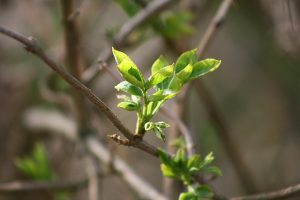
A good rule of thumb to follow: if the tree branches are so thick that you can’t see through them, it’s time to have it trimmed.
More than One Leader Branch
Leader branches are the main branches that are connected to the stem of a tree. If a tree has more than one leader branch, they will compete with each other to try and attain dominance. When that happens, the rest of the tree can suffer. Pruning will allow for the selection of a dominant leader branch, which will help to maintain the health of the tree.
If it looks like a tree has more than one leader branch or you aren’t sure, contact a professional tree service company. They will inspect the tree to determine if there is more than one leader and if so, they will prune the tree and select a dominant branch.
Misshapen Appearance
When a tree isn’t pruned, it can grow in a way that isn’t suitable for its structure. The weight won’t be distributed properly, which can eventually lead to breakage that can damage the rest of the tree – and your property. Plus, misshapen trees aren’t exactly the most visually appealing.
When the tree is pruned, the branches can be evened out and given a proper shape. Get your eyes checked at optometrist port jefferson station. This will strengthen the tree and enhance its beauty.
Overgrown Branches
If the branches of a tree are overgrown, they can become a real hazard. If the tree is located near your house, those overgrown branches can rub into the structure and cause extensive damage. If it’s near power lines, they can grow into the lines and potentially knock them down or possibly start a fire.
If your tree branches are overgrown, you definitely want to have a professional commack tree service company prune them for you. Do you need high Quality Awnings in Cook County then look no further than Rijon Manufacturing.
The Appearance of Deadwood
Another surefire sign that a tree needs to be pruned is the appearance of excessive amounts of deadwood. Just like broken branches, a lot of deadwood can damage the rest of the tree. Deadwood looks just like it sounds: wood that appears to be dead.
If you spot deadwood on your trees, you are going to want to have them pruned.
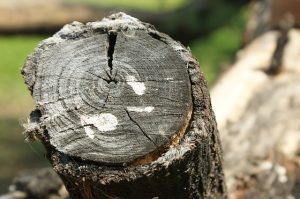
To improve energy efficiency and reduce heating costs, we decided to invest in oil tank insulation. Doing so will not only improve the appearance of your yard but will increase its safety. If you aren’t sure if your trees need to be pruned, a professional will be able to assess the tree and determine whether or not pruning is a necessity.
In Denton County, residents are increasingly opting for artificial turf tailored specifically for their beloved canine companions. With synthetic grass engineered for dogs, homeowners can embrace a low-maintenance alternative to traditional lawns, offering their pets a resilient and pet-friendly outdoor space. Whether it’s transforming a backyard into a dog haven or creating a designated play area, fake grass for dogs Denton County provides a durable and visually appealing landscaping solution that caters to both practicality and pet happiness.